My Back Hurts Embroidery Design Review
First Impressions: Playful, Relatable, and Whimsically Adorable
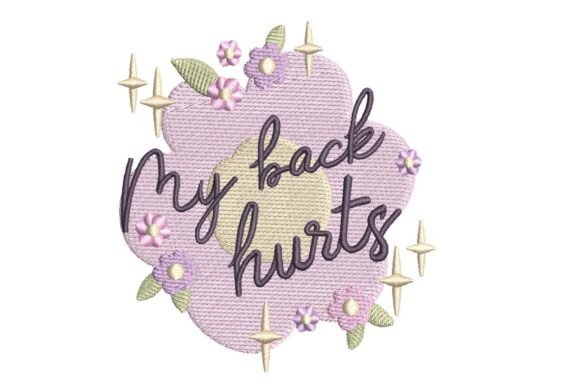
The My Back Hurts Embroidery Design immediately strikes a chord with its lighthearted charm. The title alone is relatable, especially for craft fair sellers and Etsy entrepreneurs who spend long hours stitching, packing, and setting up booths. The description hints at a design that’s both whimsical and wearable, with a soft, approachable aesthetic. It doesn’t scream luxury or elegance, but rather feels like a cozy, inside joke shared between makers. It’s the kind of design that invites a smile and a nod of recognition.
Perfect Fit for Craft Fair and Handmade Market Products
This embroidery design works best on products that lean into humor and personality. Think tote bags with a little sass, aprons for the overworked baker or crafter, tea towels that double as kitchen decor and comic relief, and embroidered patches that can be ironed onto jackets or denim. It also shines on small accessories like fabric pouches or pillow covers—items that benefit from a conversational design.
At a craft fair, where visual appeal and instant relatability are key, this design stands out without being over the top. It’s not too bold, not too delicate—it’s just right for a wide range of handmade products. As a booth display piece, it adds personality to your lineup, especially when paired with a matching mockup or sample.
How It Performs on Different Products
- Tote Bags: Works great as a medium-sized focal point. It’s legible and eye-catching, drawing attention from shoppers who appreciate humor in handmade goods.
- Aprons: A perfect placement just below the neckline or on the hip pocket. It gives a personal touch that makes the item feel custom-made.
- Tea Towels: The soft script looks lovely on linen or cotton towels, especially when paired with coordinating stitches or floral accents.
- Caps: Be cautious with curved surfaces. If the design is too detailed or the lettering too small, it may not stitch cleanly on a cap.
- Patches: Ideal for embroidered patches, especially if you’re selling them as motivational or humorous accessories.
- Pillow Covers: Looks charming centered on a neutral pillow, especially with a coordinating border or frame.
- Printable Mockups: Photographs well for Etsy listings or digital product previews. Its clean lines and playful nature make it stand out in online images.
Production and Selling Considerations
Visibility at a Glance: This design is instantly readable and expressive, making it a strong candidate for impulse purchases. Customers don’t need to stop and decipher it—they get the joke immediately.
Size Flexibility: While it works well as a medium-to-large focal design, caution is needed when shrinking it down. Small lettering can become illegible, especially on textured fabrics like towels or thick canvas.
Batch Production: Assuming the stitch density isn’t too high, this design should be repeatable and efficient for batch stitching. Always test on scrap fabric first to ensure thread tension and spacing are consistent.
Watch for These Potential Pitfalls
As with any machine embroidery design, there are practical considerations:
- Dense Stitch Areas: If the design includes a decorative border or filled-in elements, check for stitch density. Too many overlapping stitches can cause puckering or stiffness, especially on thinner fabrics.
- Small Lettering: The phrase “My back hurts” might be difficult to read if stitched too small. Always test legibility on your intended fabric type.
- Curved Surfaces: Caps and curved items can distort the design if not hooped correctly. Use a cap hoop or specialty stabilizer to maintain clarity.
- Fabric Texture: Rough or thick fabrics may obscure delicate stitches. Test on a tea towel or canvas before mass production.
- Dark Fabric: Light thread colors may not stand out well on dark backgrounds. Check thread contrast before stitching a full run.
Visual Appeal and Customer Engagement
The My Back Hurts Embroidery Design brings a sense of humor and authenticity to your product line. It’s not trying to be fancy—it’s trying to be real. That’s a big selling point at craft fairs and in handmade shops where customers are looking for unique, personal items.
In terms of booth display, this design adds a touch of personality that can help differentiate your stall from more serious or generic vendors. It pairs well with other light-hearted or inspirational designs, creating a cohesive theme of “maker life” or “handmade with heart.”
From a branding perspective, using this design consistently across tote bags, patches, and apparel helps reinforce your shop’s playful tone. It’s a small but meaningful way to build brand recognition and customer loyalty.
Designer Notes for Best Results
Before launching this design into your product lineup, take these steps to ensure quality and consistency:
- Test on Scrap Fabric: Always run a test stitch before embroidering your final product. This helps catch any issues with spacing, tension, or density.
- Check Thread Contrast: Make sure the thread colors pop against your chosen fabric. Sometimes white or pastel threads can blend in on light backgrounds.
- Review Spacing and Lettering: Ensure each letter is distinct and legible, especially if you’re resizing the design.
- Confirm Hoop Size: Know the hoop size required for the design file. This affects what products you can use it on.
- Inspect Stitch Density: Avoid overly dense areas that might pucker or stiffen the fabric.
- Use the Right Stabilizer: Especially important for textured or stretchy fabrics. A good stabilizer ensures clean, crisp stitching.
- Create a Real Mockup: Don’t rely solely on digital mockups. Seeing the design in person helps you assess its true look and feel.
- Compare Fabric Colors: Some thread colors look great on white but disappear on beige or gray. Test across your color range.
- Confirm Commercial Licensing: Before selling finished products, ensure the design is licensed for commercial embroidery. This protects your small shop or Etsy business.
Final Thoughts
The My Back Hurts Embroidery Design is a charming, approachable addition to any craft fair or handmade product line. It’s not overly serious, but it’s not frivolous—it’s a design that speaks directly to the maker community. Whether you’re selling tote bags, embroidered patches, or tea towels, this design adds a personal, relatable touch that customers will appreciate.
Just be sure to test it thoroughly, choose your products wisely, and always keep your booth display cohesive. Done right, this design can be a conversation starter, a repeat seller, and a staple in your digital embroidery file collection.