Floral Line Art: A Designer’s Review for Business Branding
First Impressions: Whimsical Yet Professional Design
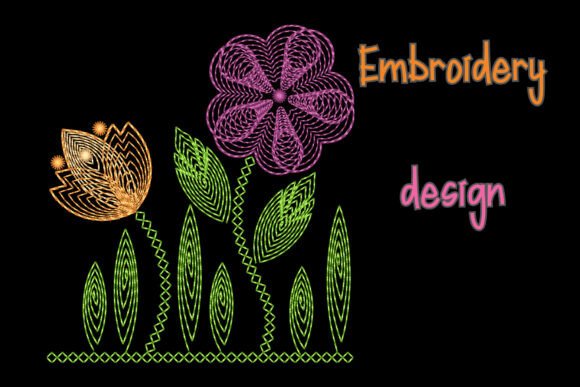
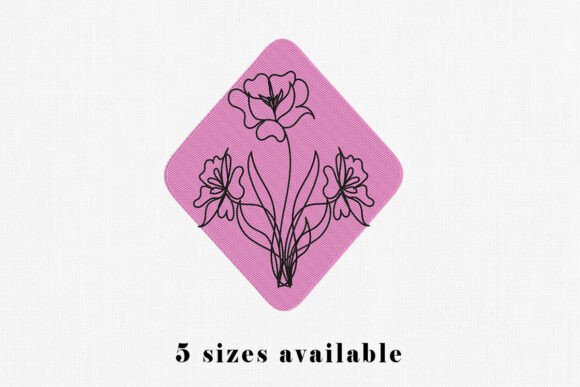
As an embroidery designer evaluating Floral Line Art, the first impression is one of playful elegance. The name suggests a clean, minimalist floral motif with defined outlines, and the product description reinforces that with words like “charming” and “whimsical.” This design feels like a versatile choice for small businesses looking to add a soft, hand-drawn touch to their merchandise without sacrificing professionalism.
It reads as modern yet decorative, making it suitable for businesses in the handmade, boutique, or artisan sectors. Whether you're branding a local café or a floral shop, this embroidery file gives off a friendly, approachable energy while still maintaining visual clarity for commercial use.
Real Business Use: From Branded Patches to Custom Apparel
Floral Line Art is a strong candidate for a wide variety of small business applications. As a machine embroidery design, it can easily be scaled and adapted for embroidered patches, staff uniforms, tote bags, and even product packaging accents.
- Embroidered patches – Its line art style makes it ideal for sew-on or iron-on patches that can be attached to jackets, bags, or aprons.
- Apron embroidery – The design’s soft curves and open lines work well on cotton or linen aprons, adding a touch of charm without overwhelming the fabric.
- Cap embroidery – When used on the front of a cap, the design maintains clarity and avoids looking too busy, especially if stitched in a single thread color.
- Tote bag design – Placed on the corner or center of a tote, it gives a boutique feel to reusable bags sold as customer gifts or event merch.
- Custom apparel – Whether on a staff polo or a boutique t-shirt, this design brings a personal, handmade product aesthetic that appeals to modern shoppers.
For Etsy sellers and crafters, this digital embroidery file could be a go-to asset for creating cohesive branding across packaging, tags, and promotional items. It also lends itself well to printable mockups, helping clients visualize how it will look on finished products.
Where to Use with Caution
While Floral Line Art is visually appealing, there are certain applications where extra care should be taken:
- Small patch sizes – The intricate lines may get lost if scaled too small, especially on embroidered patches meant for keychains or pins.
- Cap fronts – If the cap has a curved surface, test the design on a mockup to ensure stitch definition remains sharp and clean.
- Textured fabric – Rough or uneven materials like burlap or thick denim might distort the fine lines, so a proper stabilizer is essential.
- Dark uniforms – Light thread colors may not stand out enough, so consider contrast testing before full production.
- Frequent washing – Ensure the stitch density is sufficient to withstand wear without fraying, particularly on aprons or work shirts.
As with any embroidery file, always test it first on a sample fabric to confirm stitch spacing, hoop size compatibility, and overall clarity before committing to bulk production.
Brand Identity and Visual Consistency
Using Floral Line Art across your merchandise helps reinforce brand identity through visual consistency. It’s subtle enough to work as a background accent or as a focal point on custom apparel and tote bags. For small businesses aiming to project a handmade or artisanal image, this design aligns well with that narrative.
From a customer trust standpoint, consistent use of a recognizable embroidered design like this increases brand recognition. Whether it's stitched onto a staff apron or a customer gift tote, it subtly communicates professionalism and attention to detail.
If your brand leans toward soft, natural aesthetics—like a local florist, pet brand, or creative studio—this embroidery design can serve as a signature visual element that resonates emotionally with your audience.
Practical Notes for Embroidery Designers
Before incorporating Floral Line Art into your next commercial embroidery project, here are some practical steps to ensure quality and compatibility:
- Test in black and white first – This helps assess clarity and line definition before choosing thread colors.
- Check small patch sizes – Ensure all lines remain visible and don’t merge when scaled down.
- Review thread color contrast – Especially for use on dark or textured fabrics.
- Inspect spacing and stitch density – Make sure the design doesn’t become too dense or sparse when resized.
- Confirm hoop size – Match it to your machine’s capabilities to avoid distortion.
- Test on real fabric – Always stitch a sample to evaluate how it performs on the intended material.
- Use proper stabilizer – Especially important for curved surfaces or textured materials.
- Create a mockup for client approval – Use a printable mockup to show how it looks on finished products like tote bags or caps.
- Compare with other design assets – Ensure it aligns visually with your existing branding elements.
- Confirm commercial licensing – Always verify that the digital embroidery file allows for business use and resale.
Final Thoughts: A Versatile Addition to Your Design Toolkit
Floral Line Art is a flexible, aesthetically pleasing embroidery file that works well across a variety of small business merch and branded items. Whether used for a boutique tote, embroidered patch, or uniform accent, it brings a sense of handmade charm while maintaining a professional finish.
For embroidery shops, apparel decorators, and Etsy sellers, this design offers an opportunity to enhance product value and visual appeal without overcomplicating the embroidery process. Just remember to test thoroughly, check licensing, and ensure it aligns with your brand’s visual identity before full-scale production.